Winter with your dog
To keep our dogs healthy and safe through the winter, they need special care and attention in winter. Snow, grit and road salt can make the sensitive skin on your dog’s paws brittle and lead to injuries to the paw pads
Showing all 16 results
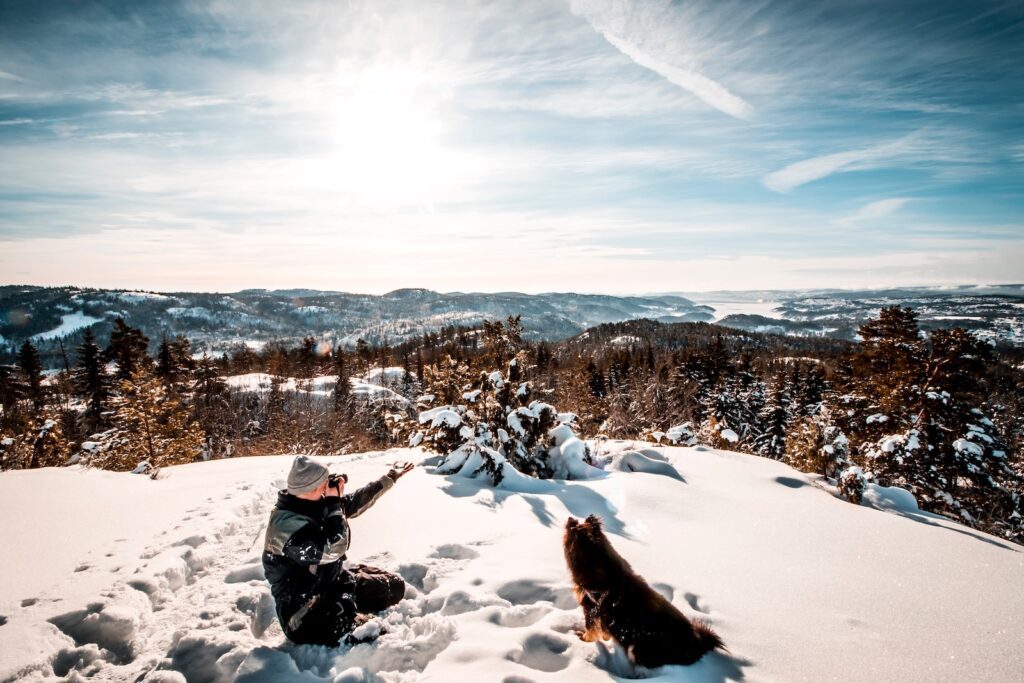
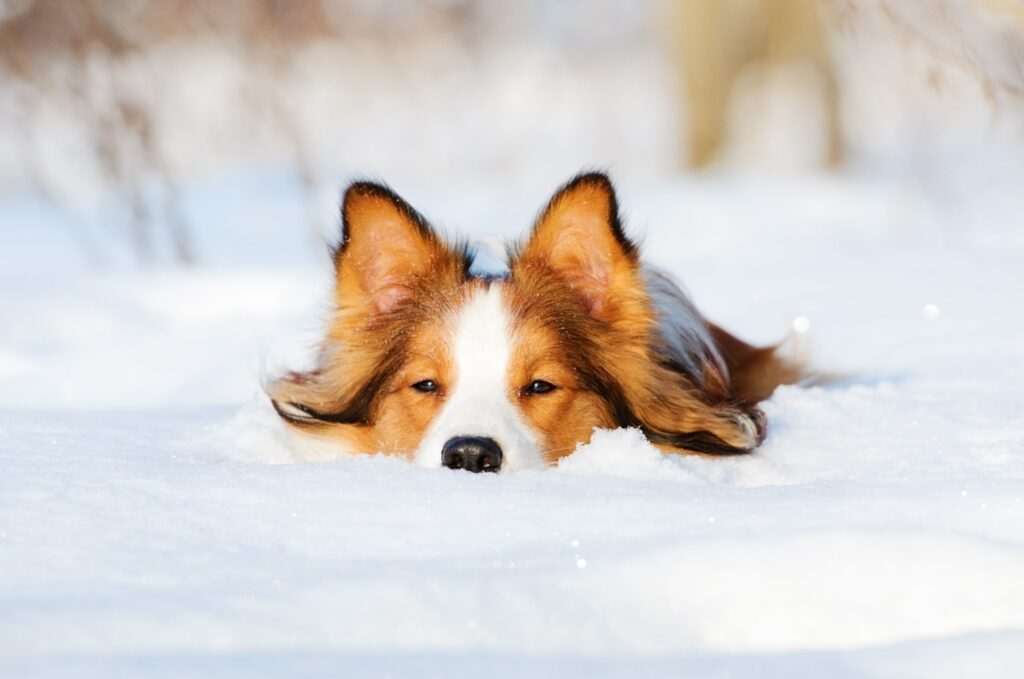
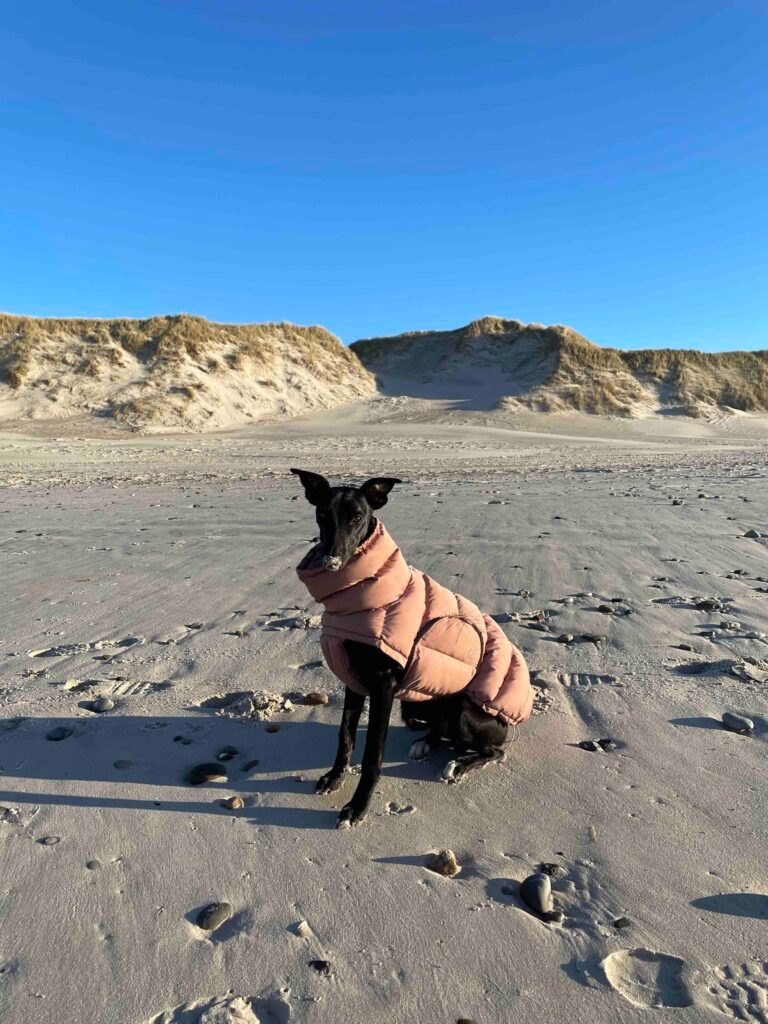
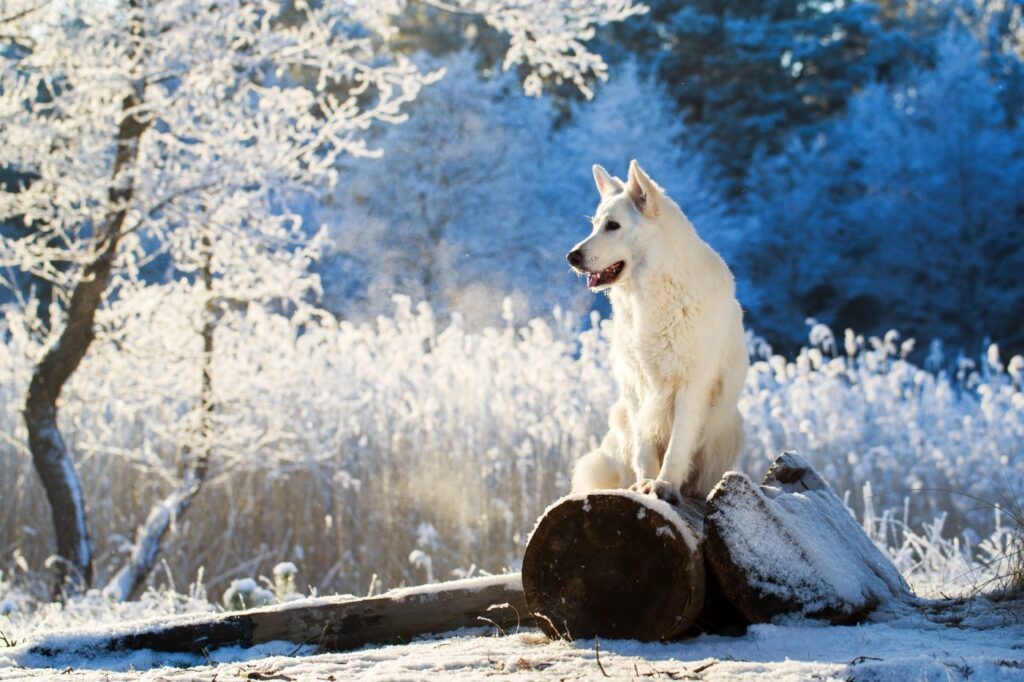
It has snowed! In winter, there is hardly anything more beautiful than walking through a snow-covered winter landscape and watching our dogs roll around in the powdery snow or lick snowflakes out of the sky. Many dogs love to romp through deep snow. And some dogs even love to eat snow.
“The sensitive mucous membrane of the stomach can become irritated and inflamed by cold snow and impurities hidden in it, such as road salt, grit or soil,” says our vet Dr Stefanie Mallmann. Snow-related upsets of the gastrointestinal tract are known as “snow gastritis”. Symptoms can include diarrhoea and vomiting, but also increased salivation. If a dog suffers from mild snow gastritis, a one-day fast is advisable from a veterinary point of view. This allows the irritated stomach lining to recover.
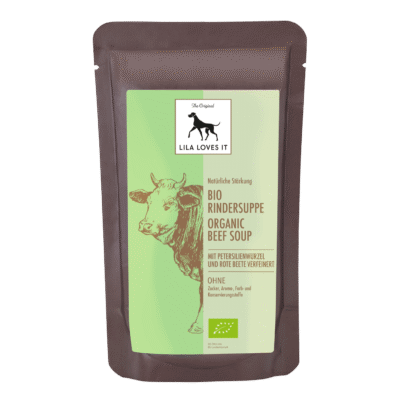
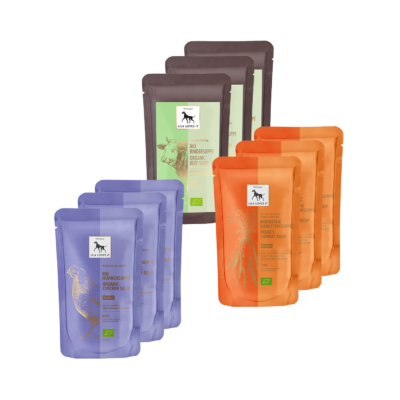
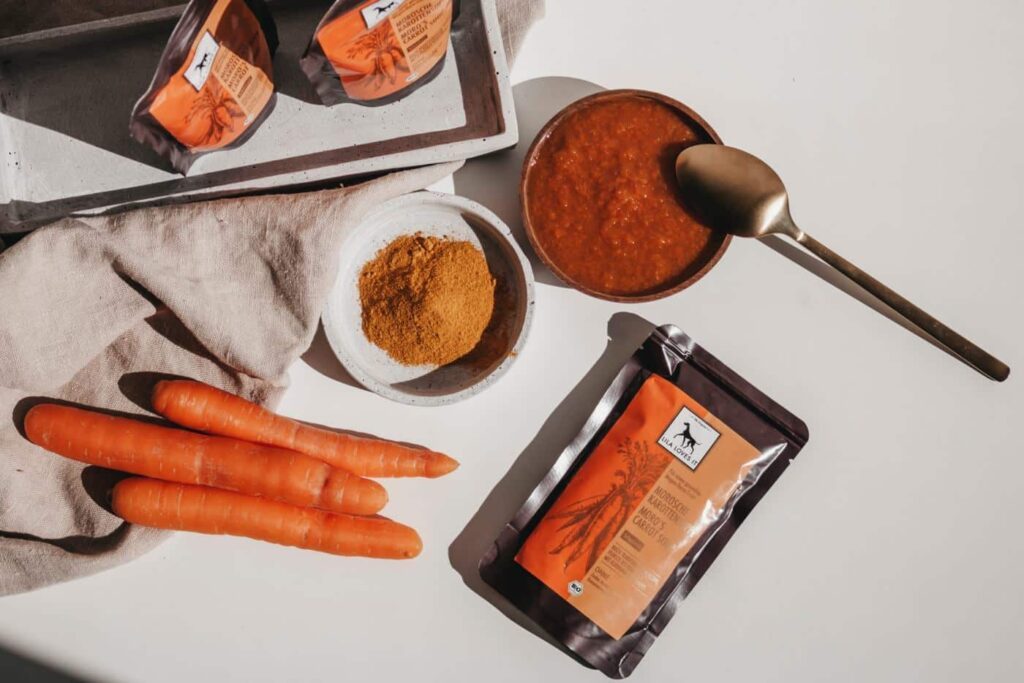
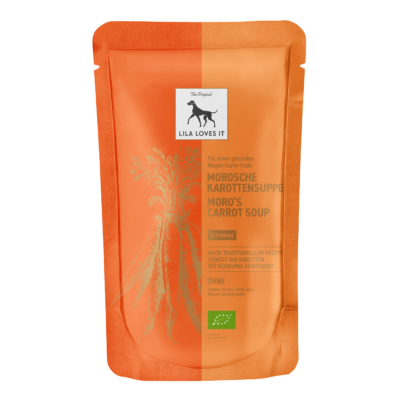
However, it is important that the dog drinks enough to compensate for the loss of fluids through diarrhoea and vomiting. Dr Mallmann therefore recommends our Moro organic carrot soup. “The easily digestible soup is not only very tasty and beneficial for the gastrointestinal tract, but it also provides much-needed fluids.” If the symptoms persist for more than two days or if symptoms such as fever or blood in the faeces appear, the dog must of course be taken to the vet immediately.
Thorough paw care is a must during the winter months. Aggressive road salt in particular can affect the health of dogs’ paws. As salt dries out the sensitive skin on the paws, “the space between the dog’s toes can become inflamed and the paw pads can become cracked,” warns the vet. “This makes dogs’ paws more susceptible to injury in winter.” Careful paw protection is essential to prevent painful paw problems.
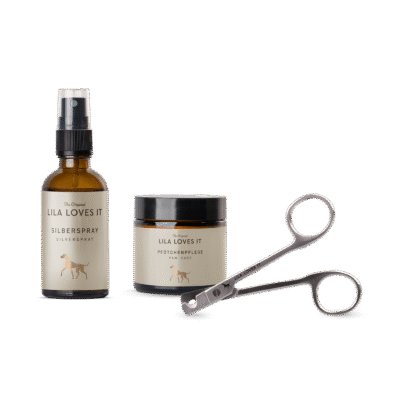
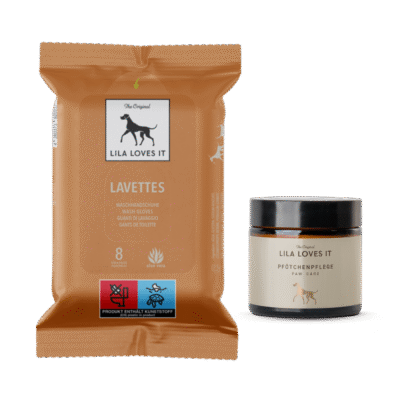
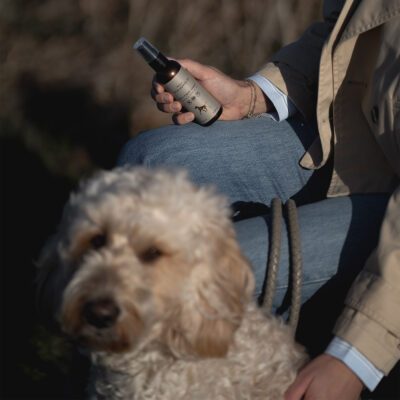
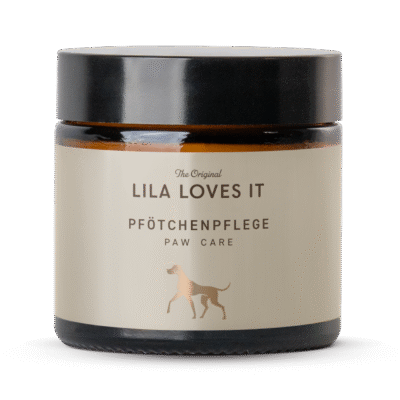
Dog owners should definitely steer clear of Vaseline and milking fat, as these products are made from paraffin (petroleum) and also dry out the skin. It is best if a moisturising paw balm consists of purely natural ingredients. That’s why LILA LOVES IT paw care combines fast-absorbing plant oils from controlled organic cultivation with protective beeswax.
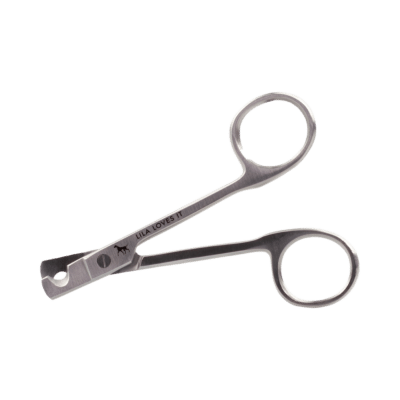
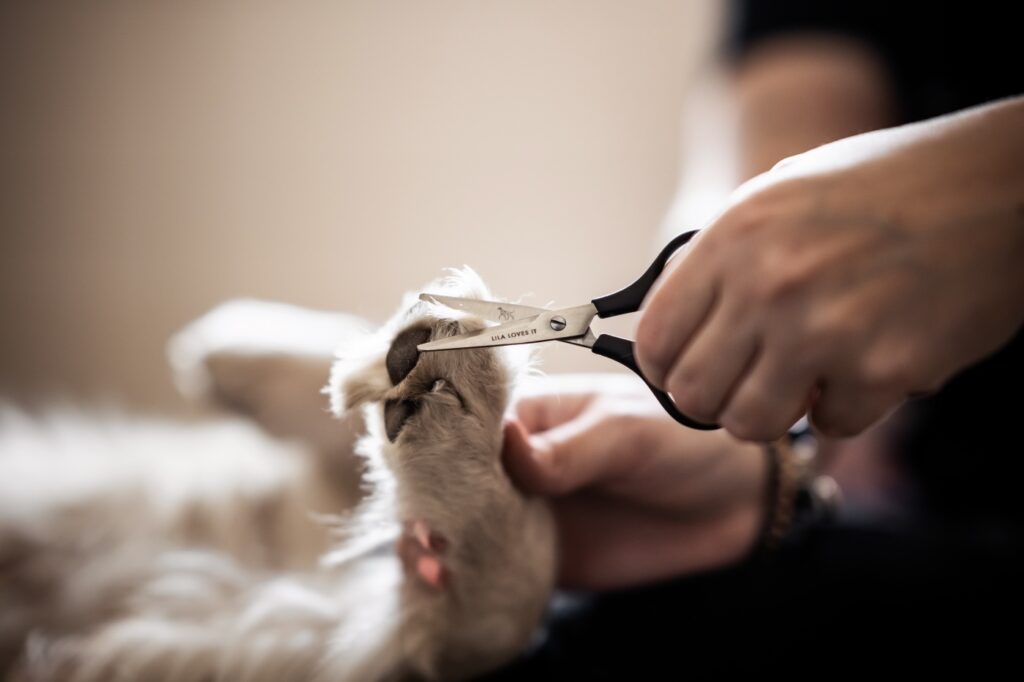
According to vet Dr Mallmann, clumps of snow that collect between the paw pads are the third biggest problem for dogs in winter. “Ice and snow accumulate on long paw hairs and form hard lumps. This is extremely painful for dogs, comparable to sharp stones in their shoes.” Well-fitting paw shoes are one way of avoiding pressure points caused by lumps of snow. It is also advisable to trim the hair on the paws and between the paw pads with special paw or fur scissors for dogs.